Cooking is an art, but efficiency is a skill. Many home cooks struggle with time management and organization. Knowing *how to improve cooking efficiency in the kitchen* can transform your culinary experience. Imagine cutting down meal prep time while enhancing flavors.
Planning is crucial. Create meal plans that consider your week ahead. Gather ingredients beforehand to avoid chaos. But do not overcomplicate. Sometimes, less is more. Experiment with simple recipes and learn to adapt. Discover how small changes can yield big results.
Ultimately, efficiency is about balance. It involves preparation and creativity. Reflect on your routine; identify what slows you down. Embrace imperfections as learning opportunities. Cooking should be enjoyable, not just a task to complete.
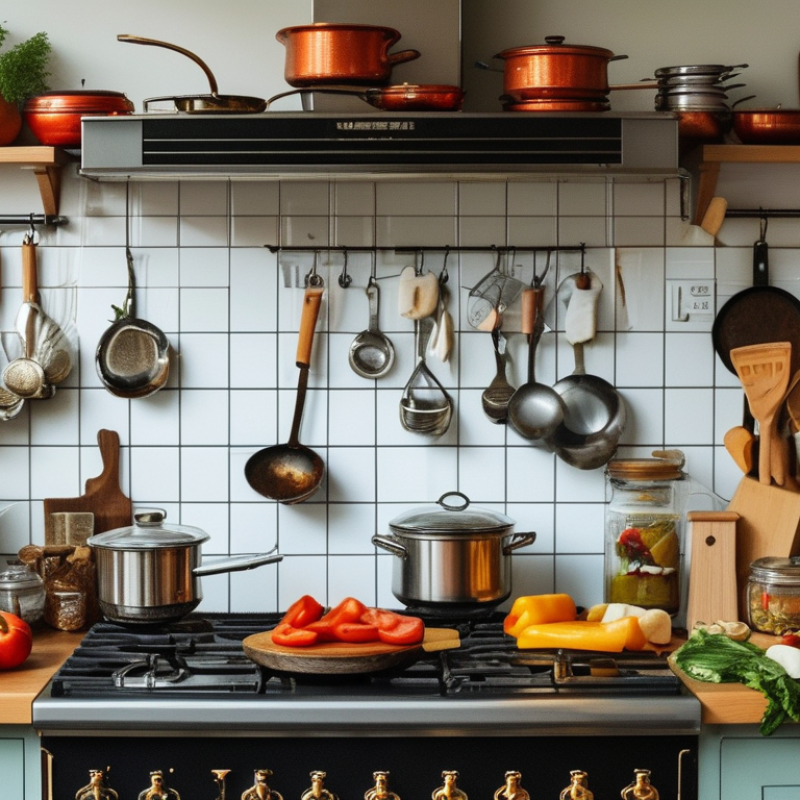
Cooking efficiency is crucial for busy individuals and families. It allows you to prepare meals quickly while minimizing stress. When you can cook more efficiently, you save time and energy. This often leads to healthier eating habits and less reliance on takeout. Cooking efficiently can transform your kitchen habits and your meals.
One practical tip is to organize your workspace. A cluttered counter can slow you down. Keep essential tools and ingredients within reach. This visibility celebrates simplicity. Consider meal prepping. Allocate a specific day each week for chopping vegetables and marinating proteins. Doing this cuts down prep time on busy days.
Another way to boost efficiency is to master a few versatile recipes. These are adaptable and can be made with whatever you have on hand. Experiment with different spices or ingredients. Failing at a recipe can teach you valuable lessons. Adjust your expectations and embrace the learning process. Cooking is an art that thrives on experience and creativity.
In any kitchen, having the right tools can significantly speed up cooking. Sharp knives are essential. A good chef’s knife allows for quicker and more precise chopping. Consider a cutting board that is durable and easy to clean. A non-slip surface helps maintain safety while working swiftly.
Another vital tool is the food processor. It can chop, slice, and shred in seconds. This appliance saves time on prep work. A quality blender is also essential. It can make soups and smoothies in no time. These gadgets not only enhance speed but also improve consistency in recipes.
Reflecting on efficiency, storage solutions are often overlooked. Proper organization of utensils and ingredients can be challenging. A crowded countertop slows down work. Using labeled containers helps find items quickly. Time wasted searching can be frustrating. Consider assessing your layout and making adjustments for flow. Small changes can lead to a more productive cooking experience.
A well-organized kitchen can significantly enhance your cooking efficiency. Research shows that a structured workspace can improve productivity by 25%. Start with a simple layout. Keep frequently used items within reach. Place pots, pans, and utensils near the stove. This saves time during meal preparation.
Consider the “kitchen work triangle” concept. It focuses on the three points: the stove, sink, and refrigerator. A successful kitchen layout minimizes unnecessary steps. Ideally, these three areas should form a triangle. The distance between them should be efficient but not cramped.
Labeling containers can also contribute to a smoother workflow. A study indicates that organized spaces reduce meal prep time by 30%. Use clear bins for ingredients. This makes it easy to find what you need quickly. Despite these strategies, many kitchens remain cluttered, making it hard to cook efficiently. Reflect on your setup regularly. Identify areas needing improvement. Even minor adjustments can lead to a major boost in efficiency.
This bar chart illustrates the time saved by organizing different areas of the kitchen effectively. By focusing on specific aspects such as Area Cleaning, Ingredient Preparation, Cooking Time, Utensils Organization, and Post-Cooking Cleanup, significant time savings can be achieved in meal preparation and cooking processes.
Meal prepping is an effective strategy for reducing time in the kitchen. Research suggests that regular meal preparation can save up to 15 hours a week. The key is planning ahead. Creating a weekly meal plan helps streamline grocery shopping. It minimizes impulse buys too. Aim for a variety of ingredients. This prevents boredom and ensures balanced nutrition.
One effective technique is batch cooking. Prepare large portions of grains, proteins, and vegetables. Store them in easily accessible containers. According to a survey by the Food Marketing Institute, 79% of consumers find time management a significant challenge in the kitchen. Utilizing batch cooking could alleviate this issue. However, it requires discipline. Finding the right balance in meal portions can be tricky and may lead to food waste if not managed properly.
Prepare your meals during downtime. Sundays afternoons can be ideal. You might need to experiment with recipes or techniques. Not every meal will turn out perfectly. That's part of the learning process. Prepping can also create stress. It’s easy to feel overwhelmed by choices. But with time, the efficiency improves, making cooking enjoyable. Prioritize your preferences and nutritional needs, and it will be worth the effort.
Keeping your kitchen tidy can enhance your cooking experience significantly. One effective way to minimize cleanup is by organizing your workspace. Before you start cooking, gather all your ingredients and tools. This reduces the chance of clutter. For instance, use separate bowls for prep work. It helps keep your countertop clean. You might find that chopping vegetables directly over the pot leads to spills. A little preparation can save time later.
Another useful tip is to clean as you go. After each step, take a moment to wipe down surfaces or wash utensils. This prevents a mountain of dishes at the end. If you’re chopping and cooking simultaneously, rinse the board and knife before they pile up. You might not enjoy the constant interruption, but it pays off. A clean work area allows you to focus more on the food.
Consider using one-pot recipes occasionally. They simplify both cooking and cleaning. Sure, you may miss out on your usual methods. However, the ease of tossing everything together can be rewarding. Experiment with combining flavors in a single pan. You may discover new dishes while enjoying the advantages of less cleanup. A tidy kitchen often leads to a more enjoyable cooking process.
: Meal prepping involves preparing meals in advance to save time during the week.
Research suggests it can save up to 15 hours a week.
Batch cooking is making large portions of food and storing them for later use.
Planning ahead and creating a weekly meal plan helps streamline grocery shopping.
Organize your workspace and gather all ingredients before starting.
Cleaning as you cook prevents a large pile of dishes at the end.
It's okay; cooking is a learning process, and mistakes happen.
They simplify cooking and reduce cleanup, leading to a more enjoyable experience.
Yes, it can be stressful initially, but it gets easier with practice.
Managing time effectively is a significant challenge for many home cooks.
Boosting cooking efficiency in the kitchen can significantly enhance your culinary experience and save time. Understanding the importance of cooking efficiency involves recognizing how streamlined processes lead to better meal preparation and less stress. To improve cooking efficiency in the kitchen, it's essential to invest in tools and gadgets that facilitate faster cooking and ensure you are organized for maximum workflow.
Implementing meal prep strategies can further minimize the time spent in the kitchen, allowing for quick access to ingredients and reducing last-minute scrambling. Additionally, adopting techniques to minimize cleanup helps maintain a tidy space, making the cooking process more enjoyable and efficient. By focusing on these aspects, you can effectively learn how to improve cooking efficiency in the kitchen, resulting in a smoother and more productive cooking experience.

DRS Boards