What Affects the Durability of Kitchen Tools?

Time:2026-06-01 Author:Liam
0%

When considering kitchen tools, the question arises: what affects the durability of kitchen tools? Various factors play a significant role in determining how long these essential items last. The materials used in construction can greatly influence their lifespan. High-quality metals resist rust, while plastics may become brittle over time.

Moreover, the way we use and care for these tools is crucial. Improper cleaning methods or rough handling can lead to premature damage. Heat exposure is another factor that should not be overlooked. Tools left near heat sources often degrade faster than expected.

It's also worth noting that some products come with warranties, indicating a manufacturer’s confidence in their durability. However, warranties vary by brand, which can leave consumers confused. Ultimately, understanding what affects the durability of kitchen tools helps us make wiser purchasing decisions. We need to reflect on our choices and habits to ensure that our investments stand the test of time.
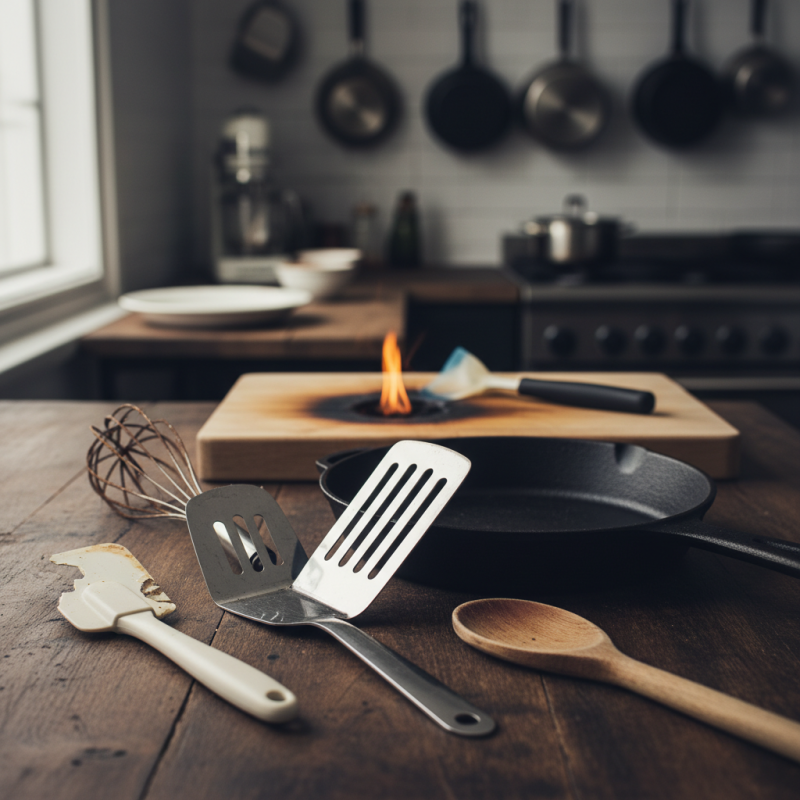
What Affects the Durability of Kitchen Tools?

Materials Used in Kitchen Tools and Their Impact on Durability

When it comes to kitchen tools, the materials used significantly influence their durability. Stainless steel, for instance, is prized for its resistance to rust and corrosion. According to a report by the International Journal of Food Sciences, stainless steel kitchen tools can last over a decade with proper care. However, it's worth noting that even stainless steel can suffer from scratches and dents, which may lead to hygiene issues over time.


Plastic is another common material, offering lightweight options for kitchen utensils. However, not all plastics are created equal. BPA-free plastics show improved durability and safety for food contact. Research from the Food Safety Authority indicates that cheaper plastics might break down under heat, potentially leaching harmful substances.


Tip: Regularly inspect your plastic tools. If you see signs of wear, consider replacing them.


Wooden utensils are also popular, valued for their aesthetic appeal. Wood can warp or crack if exposed to excessive moisture or heat. The USDA states that wooden tools can harbor bacteria if not sanitized properly.


Tip: Make sure to hand wash wooden tools and allow them to dry properly to maintain their lifespan.


Choosing the right material is essential for kitchen utility. Each has its pros and cons, influencing your decision when stocking your kitchen.

Design Features That Enhance the Longevity of Kitchen Utensils

Durability in kitchen tools is influenced significantly by design features. Materials used play a crucial role. High-quality stainless steel or food-grade silicone often outlast cheaper alternatives. The American Institute of Steel Construction reports that stainless steel tools can last up to 25 years with proper care.

Ergonomics also contributes to longevity. Tools designed for comfort reduce user fatigue, leading to less misuse. A study by the Culinary Institute found that poorly designed handles can increase the risk of tool damage. Additionally, non-slip grips offer better control, decreasing the likelihood of dropping and breaking utensils.

Another key factor is ease of cleaning. Tools that are dishwasher-safe resist wear and tear more effectively than those that require hand washing. According to the Food and Drug Administration, utensils that trap food residues tend to degrade faster. Reflecting on these aspects can help chefs choose kitchen tools wisely. Investing in well-designed utensils might seem costlier initially, but the long-term savings and durability justify the choice.

Maintenance Practices for Extending the Life of Kitchen Tools

Maintaining kitchen tools is essential for their longevity. Regular cleaning is vital after each use. For knives, a gentle wash and thorough drying prevent rust and damage. Wooden utensils require special care; they should be washed immediately and oiled frequently to maintain their finish. Neglecting these simple practices can lead to cracks and deterioration over time.

Storing tools properly also plays a crucial role. Avoid overcrowding drawers, as this can cause scratches and dulling of blades. Use magnetic strips for knives or dedicated holders for gadgets. A clutter-free space keeps tools accessible and in good shape. Additionally, consider regular inspections for signs of wear or damage. If left unchecked, small issues can escalate, compromising their functionality.

Reflecting on personal habits can be enlightening. Many people overlook how improper use can lead to a quicker decline in tool quality. For example, using metal utensils on non-stick surfaces may lead to peeling. Taking a moment to assess these daily actions can make a significant difference. Awareness fosters better decisions, ultimately enhancing the durability of your kitchen tools.

What Affects the Durability of Kitchen Tools?

This chart illustrates the factors affecting the durability of kitchen tools, measured on a scale from 1 to 10. Material quality is the most significant factor, followed by maintenance frequency and usage intensity, while cleaning methods have the least impact.

Common Environmental Factors That Affect Kitchen Tool Durability

When it comes to kitchen tools, various environmental factors can significantly impact their durability. One major factor is humidity. High humidity can lead to rust on metal tools. Wooden utensils may swell or crack when exposed to moisture. The kitchen environment often fluctuates, and neglecting to store tools properly can accelerate wear and tear.

Temperature fluctuations also play a crucial role. Extreme heat can warp plastic utensils or degrade non-stick coatings. On the other hand, freezing temperatures can make some materials brittle. Regularly using tools in a non-ideal environment may diminish their lifespan unexpectedly.

Lastly, exposure to cleaning agents can be detrimental. Harsh chemicals can erode finishes or affect the integrity of certain materials. Understanding these factors allows for better care and longevity of kitchen tools. It’s essential to reflect on personal habits and make necessary adjustments to maintain the tool's effectiveness.

Signs of Wear and Tear in Kitchen Tools and When to Replace Them

Kitchen tools play a crucial role in meal preparation. Over time, they can show signs of wear and tear. Recognizing these signs is essential to maintain food safety and efficiency in the kitchen.

One common indication of damage is a dull knife. A dull blade can make chopping difficult. It poses a risk of cutting oneself due to excess pressure. Similarly, non-stick pans can lose their coating. If you notice peeling or scratches, it's time to reconsider their use. Old spatulas may also bend or crack, leading to potential food contamination.

Another sign is rust on metal tools. Rust can transfer harmful elements to food. Wooden utensils might develop deep cracks, which can harbor bacteria. Regular inspection of kitchen tools can prevent health hazards. Replacing worn-out items is necessary for a safe cooking environment. Inadequate attention to these details may lead to unfortunate accidents or health issues. Embracing a proactive replacement approach can significantly enhance kitchen safety.

FAQS

: What materials are commonly used in kitchen tools?

: Common materials include stainless steel, plastic, and wood. Each has unique properties affecting durability.

How long can stainless steel kitchen tools last?

With proper care, stainless steel tools can last over a decade. However, they can get scratched.

What should I watch for with plastic kitchen tools?

Inspect plastic regularly for signs of wear. Cheaper plastics may break down under heat, which is risky.

How should I clean wooden utensils?

Hand wash wooden tools and allow them to dry properly. This prevents warping and helps maintain hygiene.

What environmental factors affect kitchen tool durability?

Humidity, temperature fluctuations, and exposure to chemicals can all impact the lifespan of kitchen tools.

Can high humidity ruin my kitchen tools?

Yes, high humidity can rust metal tools and cause wooden utensils to swell or crack.

What happens to kitchen tools in extreme heat?

Extreme heat can warp plastic tools and degrade non-stick coatings, potentially shortening their lifespan.

How do cleaning agents affect kitchen tools?

Harsh chemicals can erode finishes and impact the integrity of materials, so choose cleaners wisely.

Are there risks to using low-quality plastic tools?

Yes, low-quality plastics may leach harmful substances when heated. Opt for BPA-free options for safety.

What is a common mistake in maintaining kitchen tools?

Neglecting proper storage can accelerate wear and tear. Reflecting on how you store tools is important.

Conclusion

The durability of kitchen tools is influenced by several key factors. Firstly, the materials used in the construction of these tools play a significant role; for example, stainless steel and silicone generally offer greater longevity compared to plastic. Additionally, design features such as ergonomic handles and seamless joints enhance the durability of kitchen utensils, making them less prone to damage during use.

Another important aspect is maintenance practices; regular cleaning and proper storage can significantly extend the life of kitchen tools. Environmental factors, such as exposure to heat, moisture, and harsh chemicals, can also affect their durability. Recognizing signs of wear and tear is crucial, as it helps determine when kitchen tools should be replaced to ensure safe and efficient cooking. Understanding what affects the durability of kitchen tools allows users to make informed choices, ultimately leading to better investment in their kitchen essentials.

Liam

Liam

Liam is a dedicated marketing professional with a profound expertise in the industry, where he excels at highlighting the unique advantages of our core products. With a keen understanding of market trends and consumer needs, Liam frequently updates our company’s professional blog, providing......