Cooking can be an enjoyable experience, but it also poses risks. Knowing how to avoid accidents in the kitchen is crucial for safety. With sharp knives, hot stoves, and slippery floors, the potential for mishaps is everywhere. Every year, thousands suffer injuries, some serious. This guide aims to help you navigate your kitchen safely.
Understanding kitchen hazards is vital. Many people underestimate the importance of proper techniques when chopping ingredients. A moment's distraction can lead to cuts and burns. To enhance safety, it's essential to be aware of your surroundings. These small adjustments can make a big difference.
Even experienced cooks can slip up. Familiarity can breed complacency. A simple spill can turn into a dangerous situation if not addressed promptly. By implementing practical tips, you can create a safer cooking environment. Awareness and preparation are your best tools to ensure a fun and secure kitchen experience.
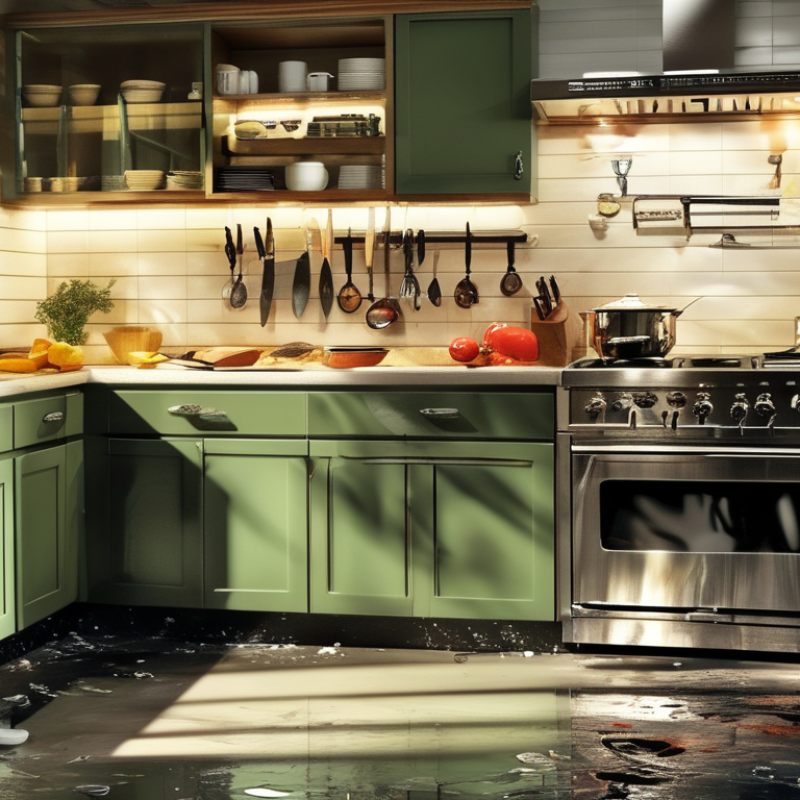
The kitchen is a hub of activity, but it can also be a site of numerous hazards. According to the National Safety Council, over 400,000 injuries occur in kitchens each year. These accidents often arise from slips, cuts, and burns. Understanding common kitchen risks is crucial for prevention.
One significant risk is the use of knives. Many people underestimate the importance of proper knife handling. Always use a cutting board and ensure knives are sharp. Dull knives require more force, increasing the chance of slips and injuries. Keep all utensils organized to reduce clutter, which can lead to accidents.
Another common hazard is slips and falls. Wet floors are a leading cause of kitchen injuries. Avoid spills by promptly wiping them up. Use non-slip mats where necessary. These small steps can significantly reduce the risk of serious harm. Burn injuries, often caused by hot pots or pans, also represent a major danger. Always use pot holders and place hot items away from the edge of counters.
Awareness and preparation can help minimize hazards. Knowing the risks allows for a safer cooking environment.
: Common kitchen hazards include slips, cuts, and burns. These risks can lead to severe injuries if not addressed.
Use a cutting board and keep knives sharp. Dull knives require more force, increasing the chance of slips.
Wipe up spills promptly to avoid slips. Using non-slip mats can also help prevent accidents on wet floors.
Always use pot holders and place hot items away from edges. This can prevent burns and kitchen fires.
Immediately cool the burn area with water for at least 10 minutes. This helps reduce pain and further injury.
Keep a first aid kit nearby. Apply direct pressure to the cut and seek medical help if bleeding persists.
A cluttered workspace can lead to accidents and falls. Organizing your kitchen helps create a safer environment.
Being aware of kitchen hazards allows for proactive prevention of accidents and promotes a safer cooking experience.
Yes, using sturdy, non-slip mats can significantly reduce the risk of slips and falls in the kitchen.
Absolutely. Kitchen accidents can occur to anyone, highlighting the importance of safety practices and emergency preparedness.
In order to learn how to avoid accidents in the kitchen, it is vital to understand common kitchen hazards and risks that could lead to injuries. Essential safety gear, such as proper footwear and protective gloves, plays a crucial role in ensuring safe cooking practices. Additionally, organizing your kitchen effectively helps minimize risks by keeping tools and ingredients within easy reach and reducing clutter.
Implementing safe cooking techniques, such as using sharp knives responsibly and managing heat sources carefully, is essential for preventing mishaps. Furthermore, knowing the appropriate steps to take in case of a kitchen accident, such as how to perform first aid or when to seek professional help, can make a significant difference in emergency situations. By following these guidelines, anyone can significantly enhance their safety in the kitchen and enjoy a more secure cooking experience.

 DRS Boards